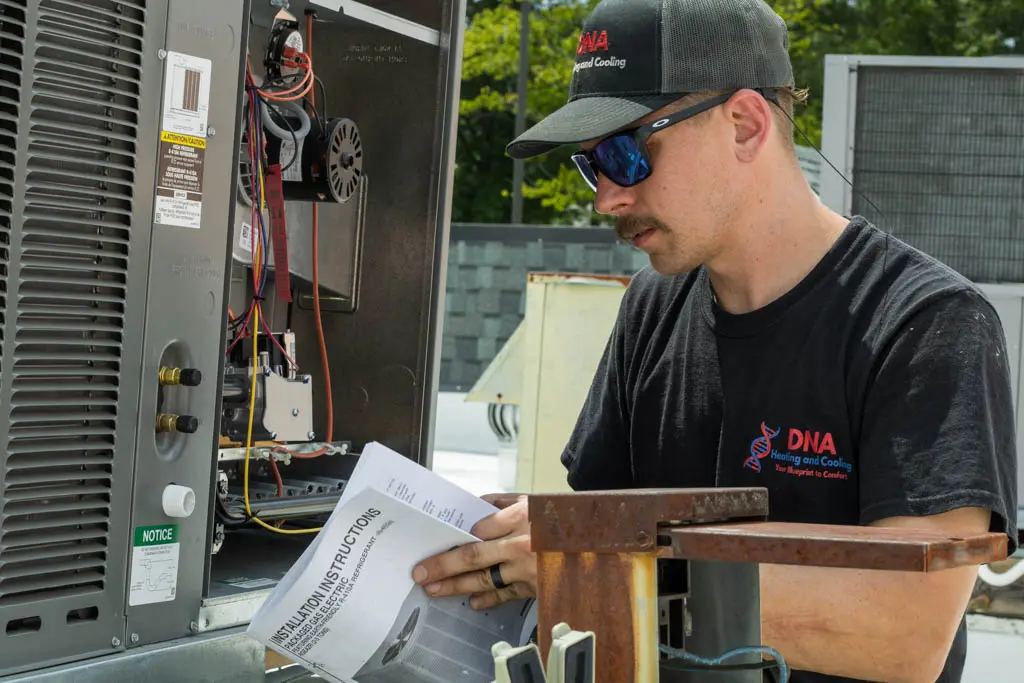
Upgrade to a modern heat pump system — efficient heating and cooling from one unit, installed by a Master HVAC Contractor.
Serving Richmond, Midlothian, Henrico, Chesterfield & surrounding areas

If your air conditioner is struggling to keep up, your furnace is on its last leg, or your energy bills keep climbing — it might be time for a replacement. At DNA Heating & Cooling, we help Richmond homeowners upgrade to modern, efficient heating and cooling systems that actually perform.
We specialize in heat pump installations — all-electric systems that provide both air conditioning and heating from a single unit. No gas furnace. No combustion. Just reliable, year-round comfort designed for Virginia's climate.
Whether you're replacing an aging AC unit, upgrading from a gas furnace, or installing a system in a new addition, we'll help you find the right solution for your home and budget.
Not sure if it's time to replace your system? Here are the most common signs Richmond homeowners notice before calling us:
If two or more sound familiar, it might be time to replace your system. We'll help you find the right solution for your Richmond home.
When it's time to replace your AC or heating system, we recommend heat pumps for most Richmond homeowners. Here's why:
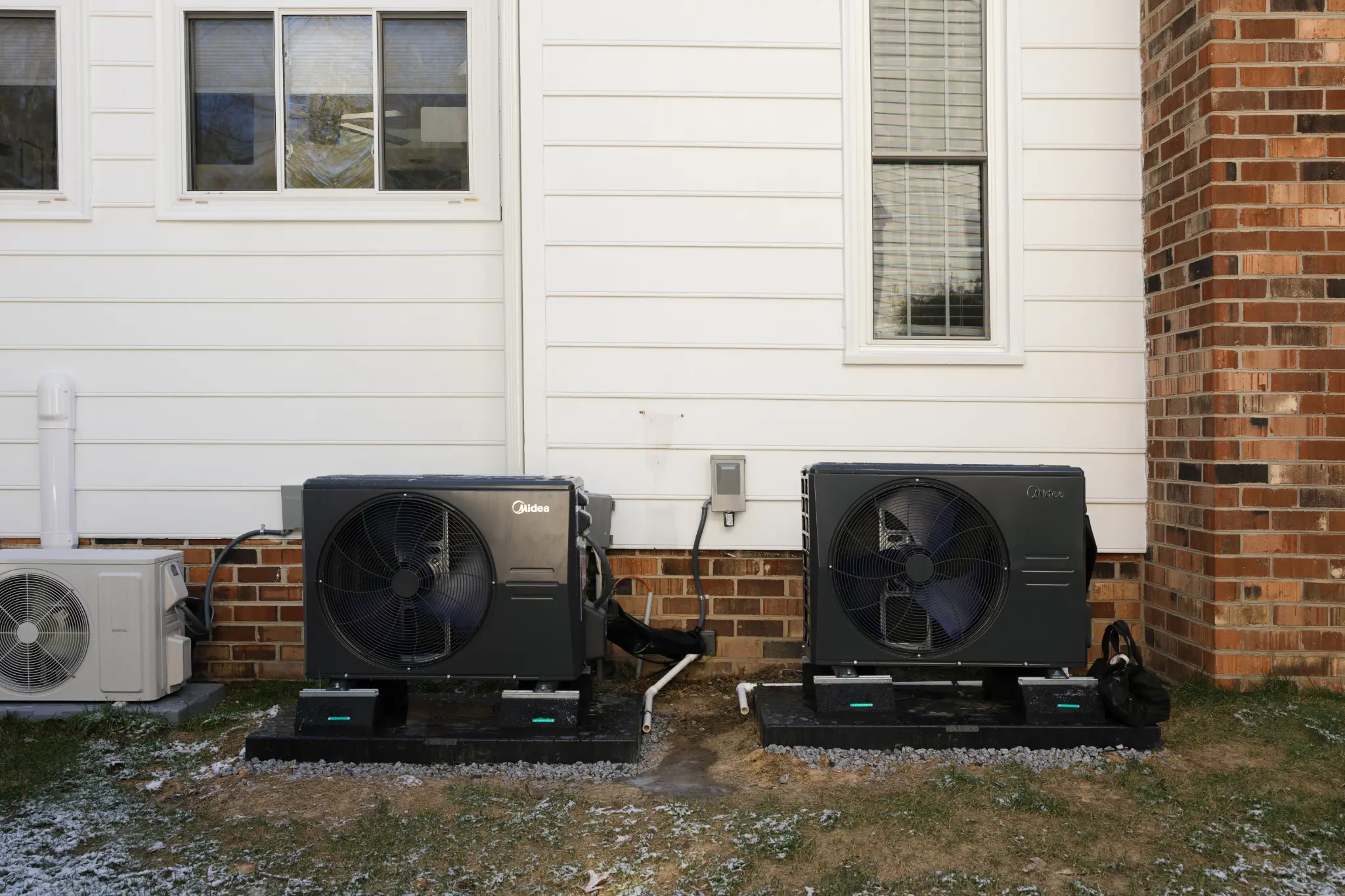
A heat pump provides air conditioning in the summer and heating in the winter — all from one unit. In cooling mode, it works just like a traditional AC. In heating mode, it reverses the process to bring warmth into your home. One system, year-round comfort.
Heat pumps run entirely on electricity. No gas lines, no pilot lights, no combustion. That means no risk of carbon monoxide, gas leaks, or flue failures. For families in Richmond, this is one less thing to worry about.
Heat pumps don't generate heat — they move it. This makes them significantly more efficient than traditional furnaces. In Virginia's moderate climate, a heat pump can heat your home at a fraction of the cost of a gas furnace, especially during milder winter days.
Modern heat pumps are designed to perform efficiently in temperatures well below freezing. Richmond's humid subtropical climate — hot summers and mild-to-cold winters — is exactly what heat pumps are made for.
Without combustion, there are no byproducts circulating through your home. Paired with proper filtration, a heat pump helps maintain cleaner indoor air for your family.
If you're used to a traditional setup — an air conditioner for cooling and a gas furnace for heating — you might wonder how a heat pump compares. Here's the breakdown:
A traditional setup uses two separate systems. The air conditioner removes heat from your home in summer and releases it outside — but it can only cool, not heat. When temperatures drop, a gas or oil furnace takes over, burning fuel to generate heat that's pushed through your ductwork. Two systems, two fuel sources, two sets of components to maintain.
A heat pump is a single system that handles both heating and cooling. In summer, it works exactly like an air conditioner — pulling heat out of your home. In winter, it reverses the cycle, extracting heat from the outdoor air and moving it inside. Even when it's cold outside, there's heat energy in the air, and a heat pump captures it. One system, one fuel source, year-round comfort.
Air conditioners are generally efficient at cooling. Gas furnaces, however, create heat through combustion — and even high-efficiency models lose energy in the process. You're also running and maintaining two separate systems, each with its own efficiency rating and energy costs.
Heat pumps don't generate heat — they move it. This makes them dramatically more efficient, especially in moderate climates like Richmond. For every unit of electricity a heat pump uses, it can deliver two to three units of heating or cooling energy. That efficiency translates directly to lower utility bills, particularly during the mild winters and hot summers we get in Virginia.
Gas furnaces involve combustion, which comes with inherent risks. Carbon monoxide is a byproduct of burning fuel — if your heat exchanger cracks or your venting fails, CO can leak into your home. Gas lines can develop leaks over time. Pilot lights and ignition systems can malfunction. These risks are manageable with regular maintenance, but they're always present with combustion appliances.
Heat pumps run on electricity. There's no combustion, no gas lines, no pilot light, and no flue. That means no carbon monoxide, no risk of gas leaks, and no combustion-related failures. For families — especially those with children, elderly relatives, or anyone with respiratory concerns — a heat pump removes an entire category of risk from the home.
A traditional AC and furnace setup can have a lower upfront cost, depending on the equipment. But you're buying, installing, and maintaining two systems. Gas prices fluctuate seasonally and year over year, making heating costs harder to predict. Furnace repairs — especially for heat exchangers or gas valves — can be expensive.
Heat pumps typically cost more upfront than a basic air conditioner, but you're getting a complete heating and cooling system in one unit. Operating costs are often lower because of the efficiency gains, and electricity prices tend to be more stable than natural gas. Over the life of the system, many homeowners find that a heat pump costs less to own and operate than a traditional AC + furnace setup — especially in climates like ours.
Air conditioners typically last 15-20 years. Gas furnaces last about the same — 15-20 years with proper care. But you're maintaining two systems with different components, different service schedules, and different things that can go wrong. That's two sets of tune-ups, two systems that can break down, and eventually two systems to replace.
A well-maintained heat pump lasts 15-20 years — comparable to traditional systems. The difference is you're maintaining one system instead of two. One annual tune-up covers both your heating and cooling. Fewer components overall means fewer potential failure points. And when it's time to replace, you're replacing one system, not two.
Gas furnaces work in any climate, including extreme cold. In regions with harsh winters well below zero, furnaces have traditionally been the go-to for reliable heating. That's why they've been standard in much of the U.S. for decades.
Older heat pumps struggled in very cold weather, but modern systems have changed that. Today's heat pumps are designed to operate efficiently at temperatures well below freezing — many are rated down to -15°F or lower. For Richmond's climate, with hot humid summers and mild-to-cold winters, a heat pump handles the full range without breaking a sweat. It's why we recommend them for nearly every home we work with.
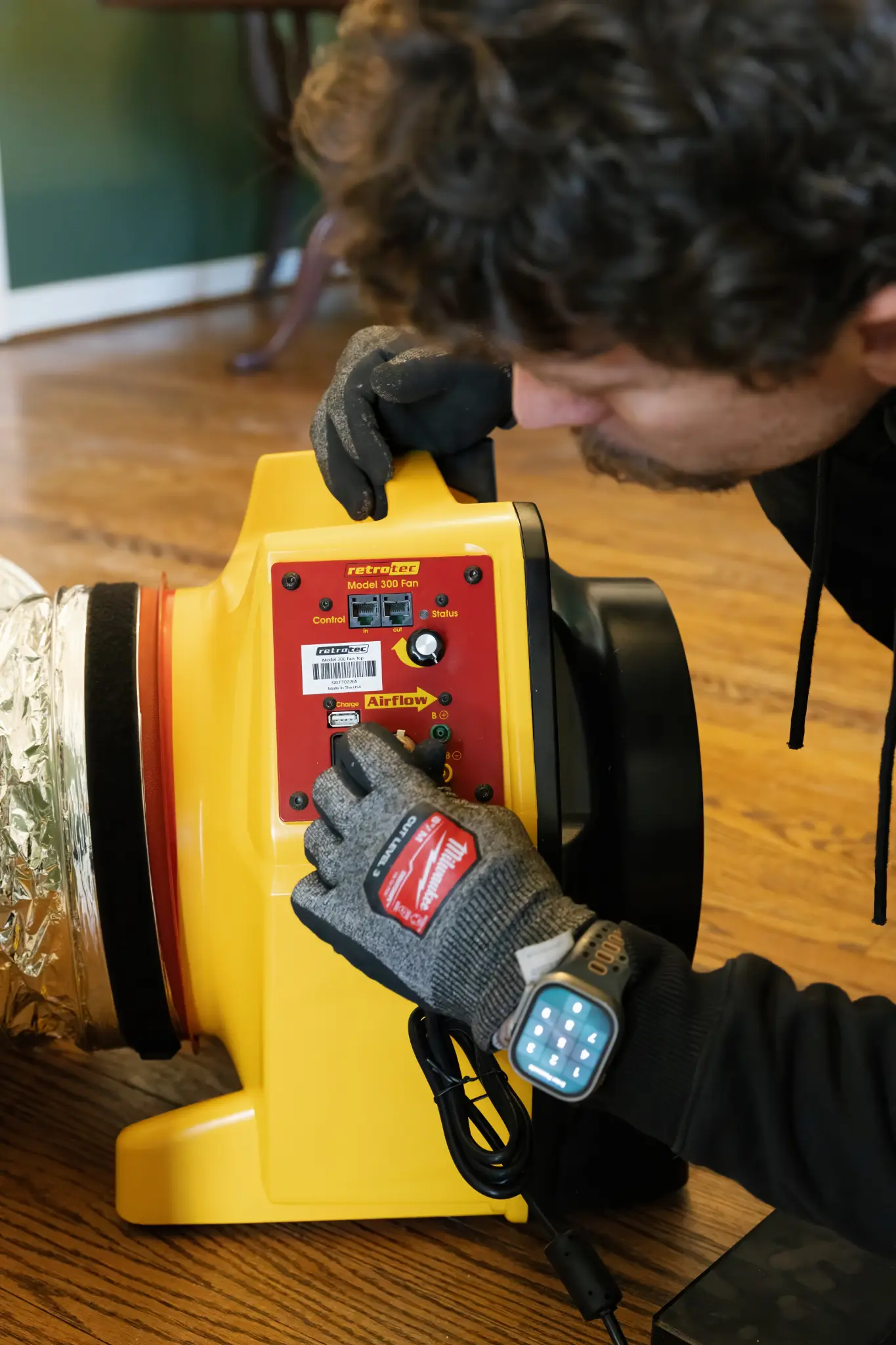
We don't sell systems off a truck or guess at sizing. Think of it like a doctor's visit: we take your home's vitals before we write the prescription. Every installation starts with testing and design, and ends with verification that the system performs as designed.
Before we recommend equipment, we find out what your home actually needs. We evaluate your existing system and ductwork, perform TrueFlow testing to measure your duct system's real airflow capability, take static pressure measurements, and complete a Manual J heat-load calculation. TrueFlow gives us your duct system's vital signs. Manual J is the diagnostic assessment. The system design that follows is the prescription. We don't offer free estimates, because we're not here to look at your old equipment and price a replacement of the same size.
Using your Manual J results, we calculate your home's actual heating and cooling load based on its size, layout, insulation, windows, and orientation — not a rule-of-thumb guess based on square footage. Proper sizing is the difference between a system that runs efficiently and one that short-cycles, wastes energy, and wears out early.
A Master HVAC Contractor oversees every installation to ensure it's done right. We install systems according to manufacturer specs, verify proper operation at every step, and don't sign off until everything performs exactly as it should.
After installation, we test the system to confirm it's operating correctly. We verify airflow, check refrigerant levels, measure temperature output, and document everything. You'll know your system is performing — not just running.
The cost of replacing your AC or heating system depends on several factors:
You receive detailed, written pricing for every job. You'll know exactly what you're getting and what it costs before any work begins.
A properly installed heat pump can last 15-20 years — but only with regular maintenance. Here's how to protect your investment:
Professional maintenance once a year keeps your system running efficiently and catches small issues before they become expensive repairs. Our maintenance plans include a comprehensive inspection, priority scheduling, and 15% off repairs for 12 months.
Dirty filters restrict airflow, reduce efficiency, and put strain on your system. Check your filter monthly and replace it every 1-3 months depending on usage.
Make sure the area around your outdoor unit is free of debris, leaves, and vegetation. The unit needs adequate airflow to operate efficiently.
Unusual noises, reduced airflow, inconsistent temperatures, or rising energy bills are all signs something might be off. Call for service early — small problems are easier and cheaper to fix.
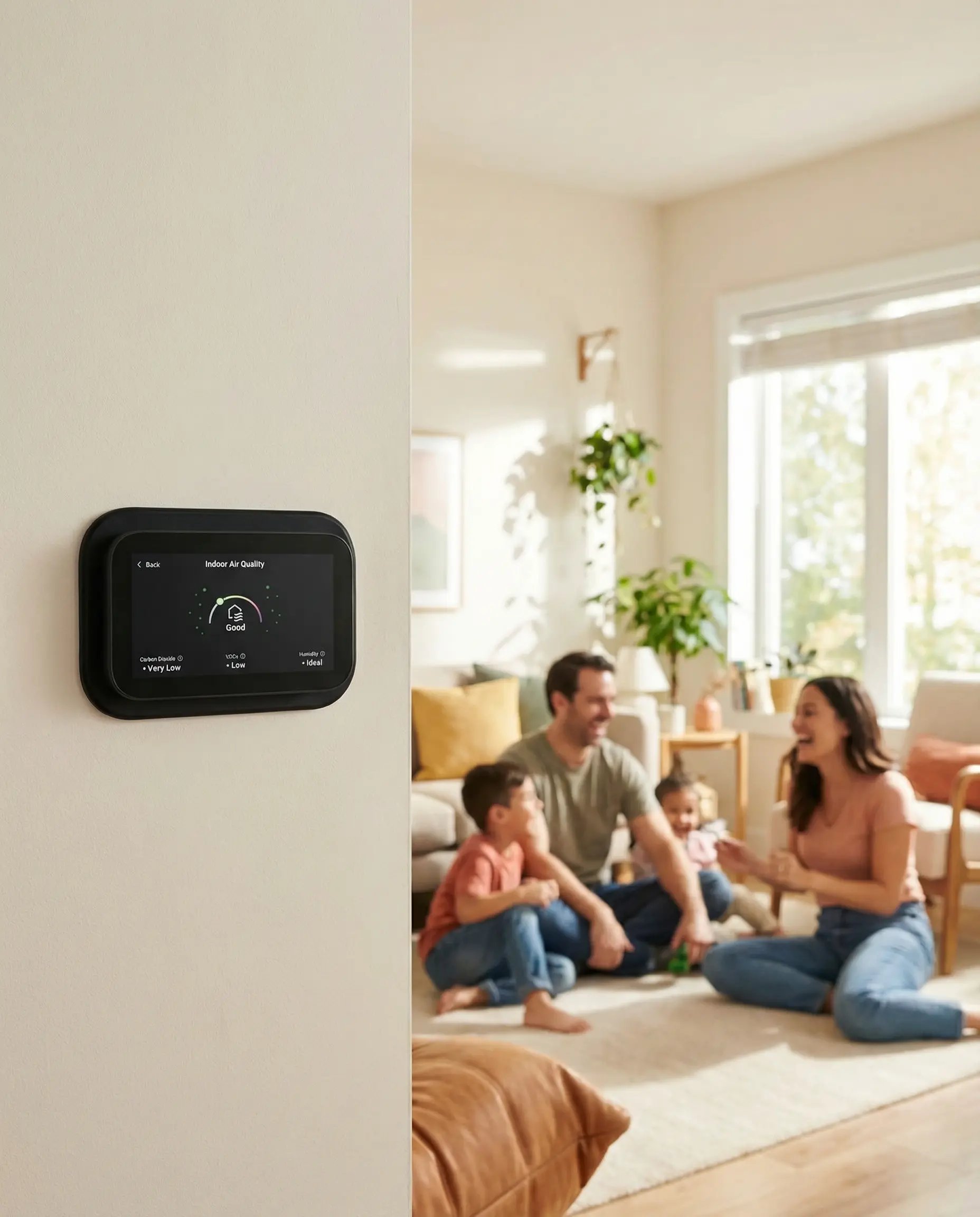
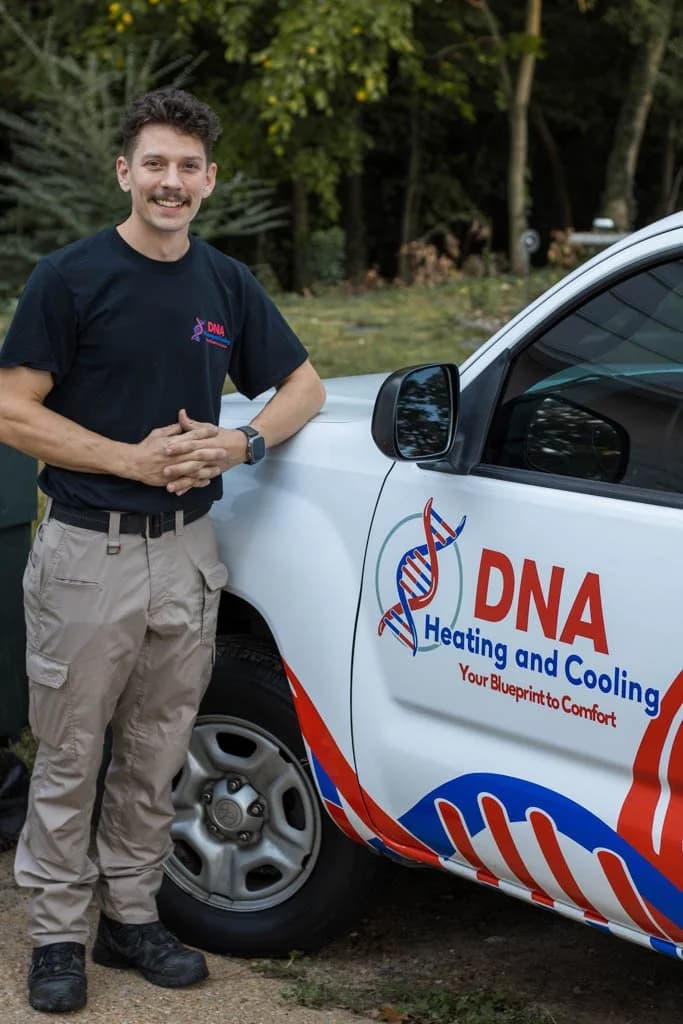
We're not a big national chain or a franchise. DNA Heating & Cooling is a locally owned, owner-operated HVAC company serving Richmond and the surrounding areas.





We provide heating and cooling installation for homeowners within 30 miles of Richmond, including:
Not sure if you're in our service area? Give us a call — we're happy to let you know.

Schedule your HVAC Replacement Consultation ($199). We'll test your home, calculate what it actually needs, and design the right system for it.